






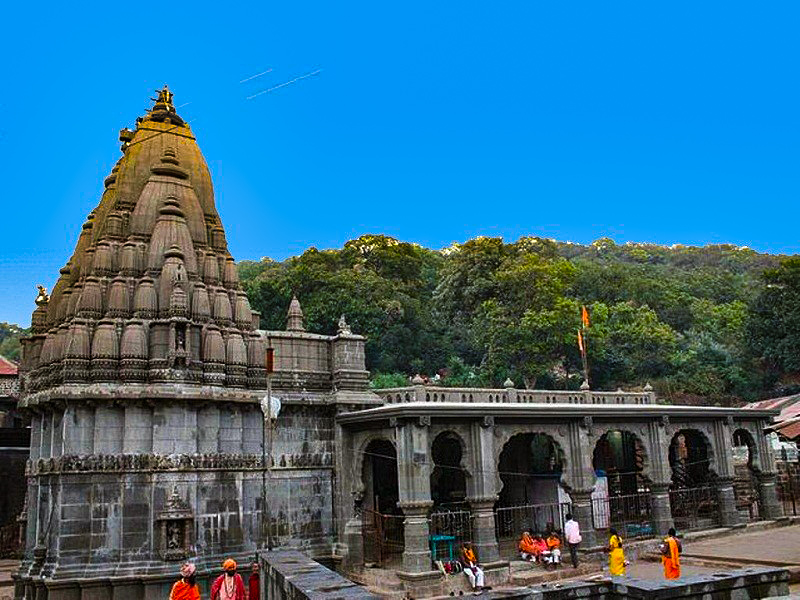
By JKV Travel
If you’re planning a spiritual yet adventurous escape in Maharashtra, Bhimashankar is that perfect blend – sacred jyotirlinga darshan, misty forest treks, waterfalls in monsoon, and rich wildlife inside Shri Bhimashankar Jyotirlinga Wildlife Reserve. This detailed Bhimashankar Temple travel guide will help you plan your entire trip – from darshan and bhimashankar trek routes to bhimashankar weather, stay options, and nearby places to visit.
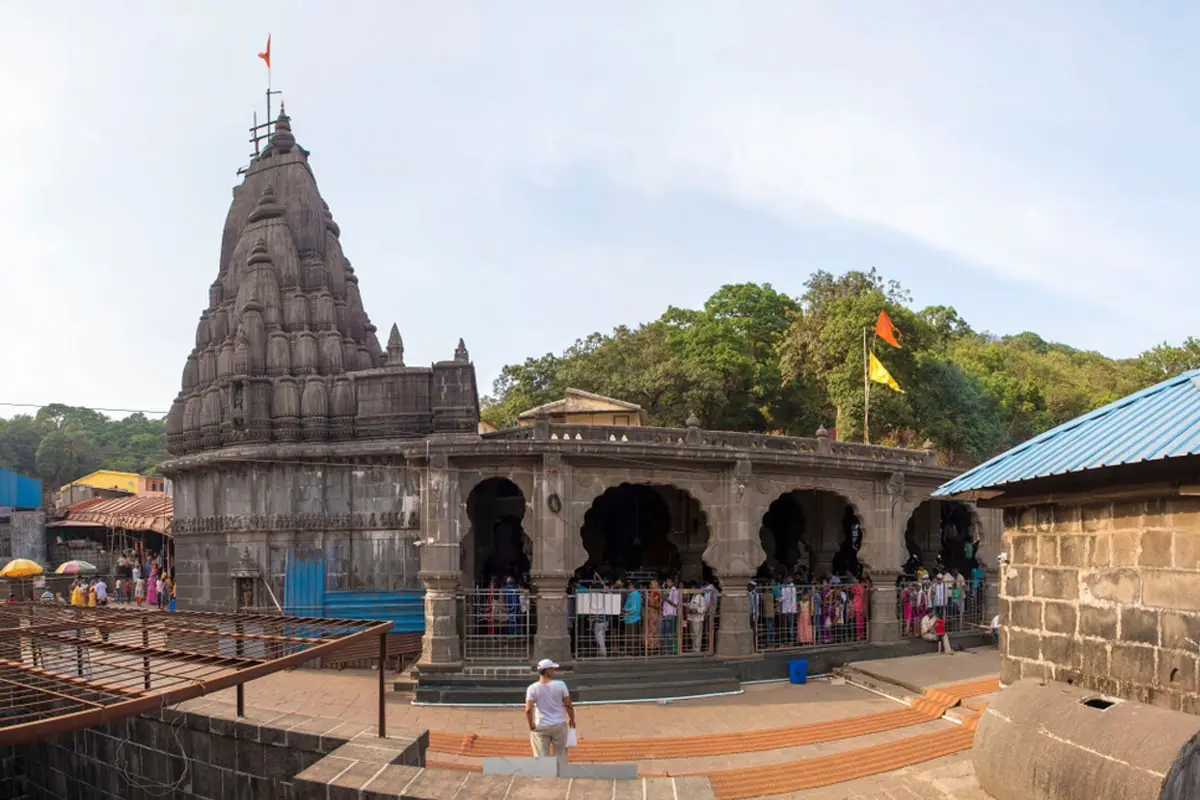
Bhimashankar Temple is one of the twelve sacred Jyotirlingas of Lord Shiva in India and is located in the Sahyadri ranges of Bhimashankar Maharashtra, near Khed taluka in Pune district. Surrounded by dense evergreen forests, hills and valleys, this ancient bhimashankar mandir is not just a powerful spiritual center but also a paradise for nature and wildlife lovers.
The temple lies inside the Shri Bhimashankar Jyotirlinga Wildlife Reserve, which is part of the renowned Bhimashankar Wildlife Sanctuary – home to the rare Indian Giant Squirrel (Shekru), numerous bird species, lush greenery and scenic trekking routes.
According to legend, Bhimashankar jyotirlinga is associated with demon Bhimasura, son of Kumbhakarna (from the Ramayana). Bhimasura performed severe penance and received immense powers from Lord Brahma. Misusing this power, he began to torment sages and devotees.
To protect his devotees, Lord Shiva manifested here and destroyed Bhimasura. The sweat that flowed from Shiva’s body is believed to have formed the sacred Bhima River. The place where Shiva appeared in his radiant form is worshipped as Bhimashankar Jyotirlinga.
The temple itself showcases ancient Nagara style architecture, stone carvings and a peaceful garbhagriha (sanctum) where the jyotirlinga is placed slightly below the ground level. When you step inside the bhimashankar mandir, the calm, the chants and the divine vibration make you feel instantly connected to something higher.
State: Maharashtra
District: Pune
Nearest Town: Khed / Manchar
Altitude: Around 3,250 feet above sea level
The Bhimashankar temple sits atop the Sahyadri hills, wrapped in clouds and mist, especially during monsoon and winter. Thanks to its location, visitors get a unique combination of hill-station-like weather, forest landscapes and spiritual ambience – all in one trip.
Reaching Bhimashankar Maharashtra is fairly easy from major cities like Pune and Mumbai.
From Pune to Bhimashankar:
Approx. 110–120 km. Route: Pune – Nashik Highway – Khed – Manchar – Ghodegaon – Bhimashankar.
From Mumbai to Bhimashankar:
Approx. 220–230 km. Route: Mumbai – Thane – Kalyan – Murbad – Talegaon – Ghodegaon – Bhimashankar.
State transport (MSRTC) buses and private vehicles frequently run on these routes. The last stretch has ghats and curves, but the view of valleys and greenery makes the journey beautiful.
The nearest railway stations are Pune Junction and Karjat.
From there, you can hire a cab or take a bus towards bhimashankar temple.
The nearest airport is Pune International Airport (PNQ).
From the airport, you can book a cab directly to Bhimashankar or first reach Pune city and then proceed via bus or taxi.
Darshan at Bhimashankar mandir feels serene and powerful. The air is filled with “Har Har Mahadev” chants, bells and the fragrance of incense.
(Timings may vary slightly on special occasions; always check locally before visiting.)
Morning: 4:30 AM – 12:00 PM (approx.)
Evening: 4:00 PM – 9:30 PM (approx.)
Kakad Aarti (Morning Aarti): Early morning (around 4:30 AM–5:00 AM)
Madhyan Aarti (Midday Aarti): Around noon
Shayan Aarti (Night Aarti): After 8:30 PM
Devotees can perform Abhishek on the bhimashankar jyotirlinga with milk, water, honey and bilva leaves. On special days like Mahashivratri, Shravan month, Mondays and major festivals, the temple witnesses very heavy rush, and darshan queues are long.
If you love trekking, bhimashankar trek is a huge highlight of this destination. There are multiple routes for different difficulty levels, passing through dense forests, rocky patches, waterfalls and views of deep valleys.
Difficulty: Easy to moderate
Duration: 4–5 hours (one way)
Highlights:
Scenic views of valley and surrounding hills
Less steep, best for beginners and first-time trekkers
Passing through small temples and villages
Difficulty: Moderate to difficult
Duration: 3–4 hours (one way)
Highlights:
Metal ladders at steep rock patches
Adventurous, thrilling route for experienced trekkers
Stunning cliff views and lush forest sections
Wear sturdy trekking shoes with good grip (especially in monsoon).
Carry enough water, energy snacks and basic first aid.
Start early morning so you can complete the bhimashankar trek in daylight.
Always trek in groups or with a local guide, especially on the ladder route.
Do not litter – help keep Bhimashankar wildlife sanctuary clean and plastic-free.
The Bhimashankar Wildlife Sanctuary is a major attraction that makes this destination so special. Declared a wildlife sanctuary in 1985, it was created mainly to protect the habitat of the Indian Giant Squirrel (Shekru), which is also the state animal of Maharashtra.
Flora:
Evergreen forests, dense canopies, medicinal plants and rich biodiversity. In monsoon, the entire forest looks like a green carpet.
Fauna:
Indian Giant Squirrel (Shekru)
Barking deer, wild boar, langur, macaques
Various reptiles and butterflies
Bird species including Malabar whistling thrush, bulbuls, woodpeckers and more
Nature Trails & Viewpoints:
Several walking paths and trails run through the Shri Bhimashankar Jyotirlinga Wildlife Reserve, giving you a chance to experience the forest closely. Early morning and late evening are ideal for spotting birds and small wildlife.
Your Bhimashankar temple travel guide is incomplete without exploring nearby attractions. Here are some must-visit places:
Just a short walk from the bhimashankar temple, you can visit the spot believed to be the origin of the Bhima River. It’s a peaceful area surrounded by green cover, perfect for quiet reflection and photos.
A calm water body located amidst forests, Hanuman Lake is a great place to relax, watch birds and enjoy nature. Early mornings are especially beautiful here with mist and soft light.
A nearby viewpoint that offers panoramic views of valleys and cliffs. Ideal for photography and sunrise/sunset views (depending on route and safety).
A hidden, cave-like shrine and water stream located deeper in the forest area, associated with Shiva. With the guidance of locals or guides, you can trek to Gupt Bhimashankar for a truly mystical experience.
Several small villages around Bhimashankar Maharashtra offer a glimpse into local lifestyles, traditional homes and simple rural life. You can also discover lesser-known viewpoints en route to the temple.
FAQ's about Bhimashankar Temple Travel - By JKV Travel
Ans: Bhimashankar Temple is famous as one of the 12 Jyotirlingas of Lord Shiva and for its location amid dense forests, waterfalls and the Shri Bhimashankar Jyotirlinga Wildlife Reserve.
Ans: The best time to visit Bhimashankar Maharashtra is from October to February, when bhimashankar weather is cool, pleasant and ideal for darshan, trekking and wildlife trails.
Ans: The bhimashankar trek via Ganesh Ghat is easy to moderate and suitable for beginners, while the Shidi (ladder) route is more challenging and recommended for experienced trekkers.
Ans: Absolutely. Bhimashankar Wildlife Sanctuary is home to the rare Indian Giant Squirrel (Shekru), rich birdlife, lush forests and scenic nature trails, making it a must-visit along with Bhimashankar jyotirlinga darshan.
A journey to Bhimashankar is not just about visiting another temple. It’s a beautiful combination of:
Divine Energy: One of the most revered jyotirlingas of Lord Shiva – Bhimashankar Jyotirlinga – where every chant of “Om Namah Shivaya” echoes through the hills.
Untouched Nature: Dense forests, waterfalls, clouds drifting through valleys and the peaceful atmosphere of the Bhimashankar Wildlife Sanctuary.
Adventure: Refreshing bhimashankar treks, forest walks, viewpoints and nature trails for those who love the outdoors.
Culture & Simplicity: Local villages, simple food and warm people who treat pilgrims and travelers with respect and kindness.
This Bhimashankar Temple Travel Guide: Jyotirlinga Darshan, Sanctuary Trails & Nearby Places is designed to give you a complete picture of how to plan your trip – from darshan timings and bhimashankar weather to trek routes and wildlife experiences inside the Shri Bhimashankar Jyotirlinga Wildlife Reserve.
Whenever you visit, go with respect – for the divinity of Bhimashankar mandir, the serenity of the forests and the fragile ecosystem of the Bhimashankar wildlife sanctuary. In return, this sacred hill shrine will gift you something priceless: peace, memories and a deep sense of connection with nature and the divine.
Also Read:
Trimbakeshwar Jyotirlinga in Maharashtra: A Complete Guide for Devotees & Travelers – If you’re exploring sacred jyotirlingas in Maharashtra beyond Bhimashankar, don’t miss Trimbakeshwar near Nashik. This divine temple, dedicated to Lord Shiva, is famous for its unique three-faced Jyotirlinga, holy Godavari River origin, powerful poojas and peaceful spiritual atmosphere.