






By JKV Travel
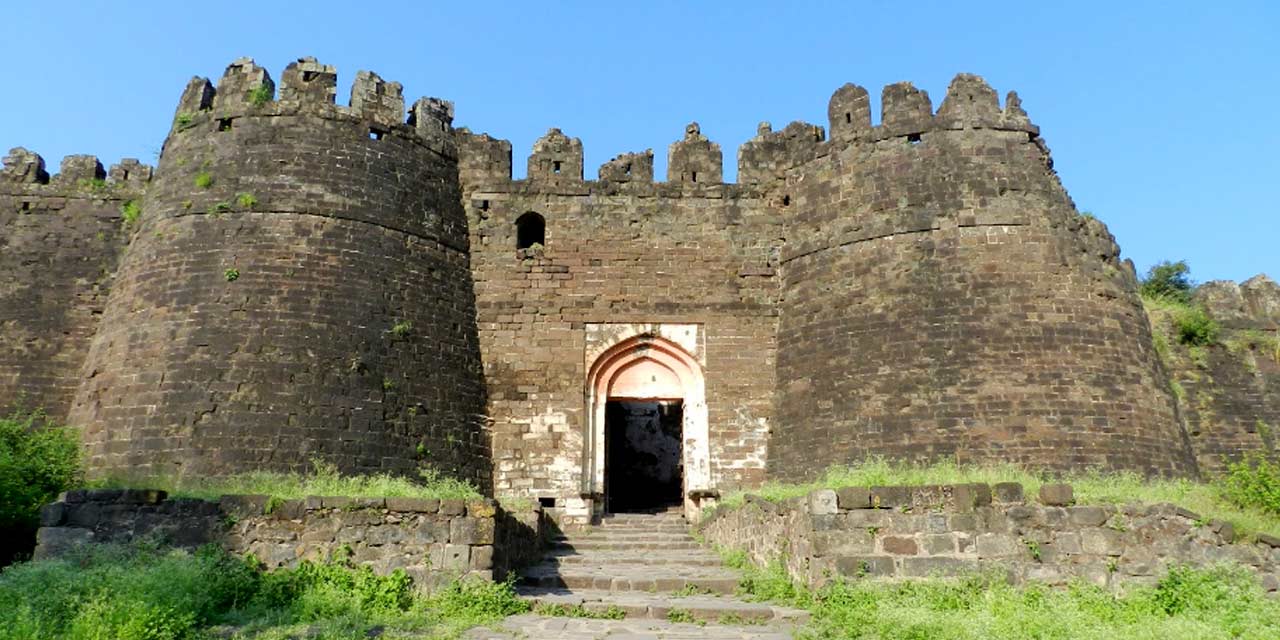
Rising boldly from the heart of Maharashtra, "Daulatabad Fort" formerly known as "Devagiri" stands as one of India’s most astonishing hill fortresses. Located near Aurangabad, this mighty structure is much more than a historical attraction; it is an engineering marvel, a strategic masterpiece, and a living museum of India’s medieval past.The moment you catch the first glimpse of the conical hill, crowned with the fort’s summit, you instantly feel the power and grandeur that this fort once commanded. Often described as one of the world’s most formidable fortresses, Daulatabad Fort Aurangabad offers an unforgettable journey through history, adventure, and architectural brilliance.
Before the name Daulatabad came into existence, the fort was proudly known as Devagiri, meaning “Hill of the Gods.” Built in the 12th century by the Yadava dynasty, Devagiri was more than a defensive base - it was a flourishing capital filled with cultural vibrancy, strong trade networks, and political influence. The Yadavas designed the fort not just for protection but as a symbol of their power, blending luxury and security with advanced planning.
Devagiri’s significance skyrocketed when Mohammed bin Tughlaq, one of the most ambitious rulers of the Delhi Sultanate, fell in love with its strategic advantages. In a move that shocked the entire empire, he decided to shift his capital from Delhi to Devagiri and renamed it Daulatabad, or “City of Prosperity.” Though the capital shift was short-lived due to logistical challenges, the decision forever highlighted the fort’s importance in Indian history.
Architectural Brilliance: A Fortress Designed to Be Unconquerable
The fort stands atop a 200-meter high hill, which gives it an extraordinary vantage point over the surrounding plains. This height made it extremely difficult for attackers to approach unnoticed. Every winding path, steep staircase, and sharp turn forces the enemy to slow down, giving defenders the upper hand.
One of the most impressive defensive features of Daulatabad Fort Aurangabad is its enormous moat that circles the base of the hill. This deep trench, once brimming with water and crocodiles, acted as a living barrier that neither soldiers nor animals could cross. Attackers attempting to swim across the moat would face deadly consequences, while the narrow bridges connecting the fort’s interior were designed so only one person could enter at a time perfect for isolating enemies.
Perhaps the most thrilling element inside the fort is the Andheri, an almost pitch-black tunnel that winds like the coils of a serpent deep inside the mountain. This passage was deliberately designed to confuse, trap, and defeat invaders. With twisting corridors, sharp slopes, spiral turns, uneven steps, and dead ends, the Andheri was a psychological weapon.
Standing tall at around 210 feet, the Chand Minar is one of the most recognizable landmarks of Daulatabad Fort. Built in the 15th century during the reign of Alauddin Bahmani, the minar showcases stunning Persian-style architecture. Its circular design, multiple balconies, and graceful orange-pink structure contrast beautifully with the rugged surroundings of the fort.
At the very top of the fort lies the Bale Killa, the innermost and strongest part of the fortress. The climb to the top is challenging, but the reward is spectacular. From here, you get a commanding 360-degree view of Aurangabad’s fields, hills, villages, and sky stretching endlessly in all directions. Standing there, watching the wind sweep past the ancient walls, it’s easy to imagine how kings and warriors once surveyed their lands from this very point.
Daulatabad Fort is located around 15 km from Aurangabad city, making it one of the most accessible historical landmarks in Maharashtra.
Its proximity to Ellora Caves, Grishneshwar Temple, and Khuldabad makes it a perfect destination for a combined heritage tour.
State: Maharashtra
Nearest City: Aurangabad
Ideal For: History lovers, photographers, trekkers, families, architecture enthusiasts
While the entire fortress deserves exploration, certain spots truly stand out. The Victory Gate, decorated with carvings and equipped with defense traps, sets the tone for what lies ahead. The Mahakot, a series of massive fortified walls, demonstrates the fort’s strength. The Bharatmata Temple inside the premises adds a touch of spirituality, while ancient stepwells reveal how the fort sustained its population with excellent water management. Every structure inside Daulatabad Fort contributes to its story of resilience and brilliance.
The most pleasant time to visit is from October to March, when the weather is cool and makes climbing easier. Monsoon adds greenery and charm but can make steps slippery, while summers are harsh due to the open, rocky terrain.
FAQ's About Daulatabad Fort – By JKV Travel
Answer: Daulatabad Fort (originally called Devagiri) is a 12th-century hill fortress perched on a conical volcanic hill about 200 metres high near Aurangabad, Maharashtra. The fort’s dramatic position and layered defenses made it a major medieval stronghold and an important stop on historic trade routes connecting western and southern India.
Answer: Daulatabad has a rich, multi-dynastic history: it began as the Yadava capital (Devagiri), was later taken by Delhi Sultanate rulers (notably Alauddin Khalji and Muhammad bin Tughlaq), and served at times as a strategic seat for later sultanates.
Answer: Daulatabad Fort lies roughly 15–20 km from Aurangabad city, reachable by car, taxi or local buses from Aurangabad. The nearest major transport hubs are Aurangabad railway station and Aurangabad airport; the fort also sits along the Aurangabad–Ellora route so it’s easy to combine with Ellora and other heritage sites. The best time to visit is October to March when the weather is cool and comfortable for the steep climb; monsoon adds greenery but can make steps slippery.
Answer: Typical monument hours for Daulatabad Fort are early morning to early evening (commonly around 6:00 AM to 6:00 PM), and entry fees are modest Indian and foreign visitor fees differ (local tourism pages list nominal Indian rates and higher foreign visitor rates). Since fees and hours can change, always check the local Aurangabad tourism or ticketing site before you travel.
Wear comfortable shoes; the steps are steep.
Carry water there’s a lot of walking and climbing.
Avoid entering the dark passages without a light source.
Early morning visits offer the best views and lesser crowds.
A DSLR or smartphone with a wide-angle lens gives stunning shots.
With its unbeatable architecture, extraordinary design, and rich legacy, Daulatabad Fort Aurangabad remains one of India’s greatest historical wonders. Its walls have witnessed ambition, war, dreams, culture, and centuries of change. Standing here, gazing over the horizon from the hilltop, you get a profound sense of India’s vibrant past.
If you’re searching for a destination that offers history, adventure, architecture, and soul-stirring landscapes, then Daulatabad Fort (Devagiri) deserves to be at the top of your travel bucket list.
Also Read
1) Exploring the Mighty Panhala Fort – Kolhapur’s Heritage Fortress in the Sahyadris
If Daulatabad’s grand architecture fascinated you, then Panhala Fort will impress you even more with its vast corridors, historic gateways, and deep Maratha roots. Nestled in the Sahyadris near Kolhapur, this mighty fort offers sweeping valley views, ancient bastions, and stories of Shivaji Maharaj’s strategic brilliance.
2) Ajinkyatara Fort Satara – Complete Travel & Trekking Guide for First-Time Visitors
Looking for another exciting fort trek in Maharashtra? Ajinkyatara Fort in Satara promises a rewarding climb, stunning skyline views, and a chance to walk through centuries of Maratha history. Our complete guide helps first-time visitors explore the fort’s viewpoints, hidden corners, and scenic trails with ease making it a must-visit destination for trekkers and heritage explorers.