





By JKV Travel
Tucked away in the far northeast corner of India, Tripura is a destination that beautifully combines royal history, natural charm, and cultural diversity. Though smaller in size compared to its neighboring states, Tripura in India surprises every traveler with its magnificent palaces, peaceful hill stations, sacred temples, and tranquil lakes. Whether you’re exploring the capital city Agartala, admiring architectural brilliance, or simply enjoying the refreshing Tripura weather, this state promises a travel experience that feels both offbeat and deeply authentic.
Let’s take you through some of the must-see attractions in Tripura that will make you fall in love with this unexplored gem of northeast India.
Located in the heart of Agartala, the Ujjayanta Palace stands as a shining symbol of Tripura’s regal past. Built in 1901 by Maharaja Radha Kishore Manikya, this magnificent structure showcases a blend of Indo-Saracenic, Mughal, and Roman architectural designs. The grand white domes, intricate wooden carvings, and lush gardens make it one of the top Tripura tourist places.
Inside the palace lies the Tripura State Museum, where you can explore centuries-old tribal artifacts, sculptures, and manuscripts that tell stories of the region’s glorious past. As you walk through the echoing corridors and manicured lawns, it’s easy to imagine the royal life that once flourished here. The palace looks particularly stunning during sunset when the golden hues bathe the white marble walls in soft light.
If you’re visiting Tripura in India, starting your journey from Ujjayanta Palace gives you the perfect introduction to the state’s heritage and grandeur.
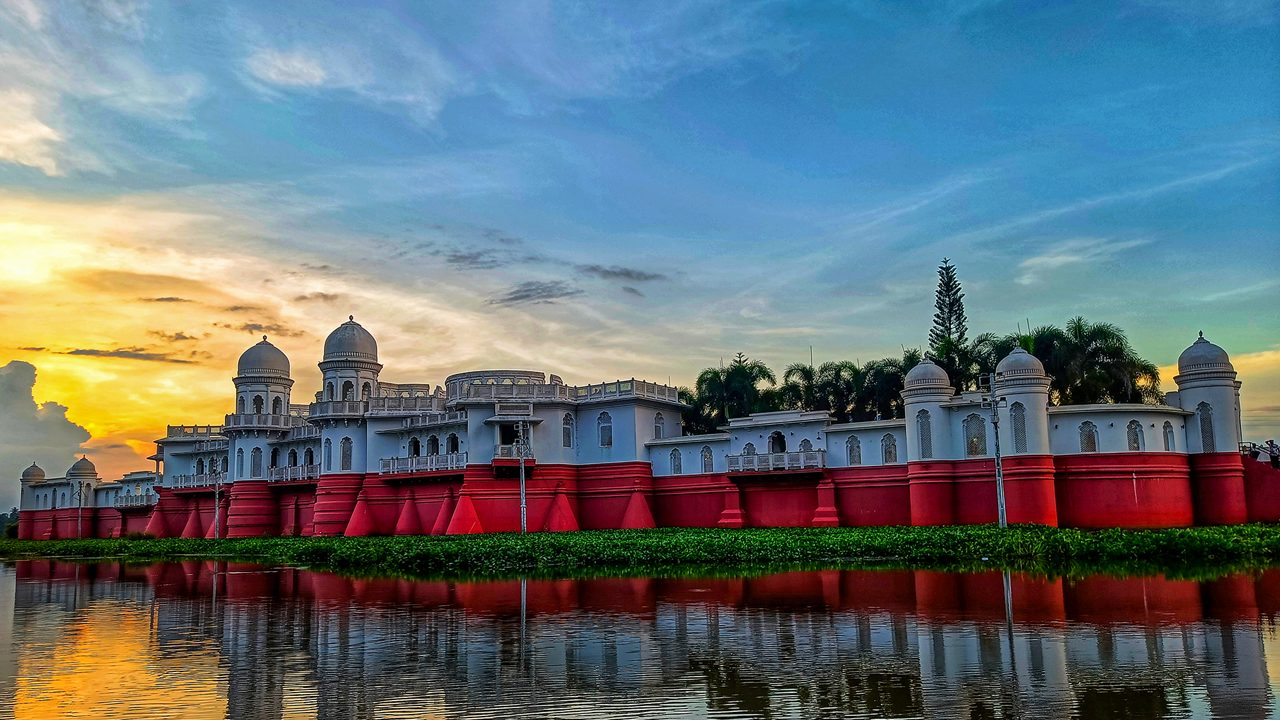
Imagine a royal palace floating gracefully on a shimmering lake that’s Neermahal, also known as the “Water Palace” of Tripura. Situated about 50 kilometers from Agartala, in the town of Melaghar, this breathtaking structure was built by Maharaja Bir Bikram Kishore Manikya in the 1930s. It was the royal family’s summer retreat, surrounded by the calm waters of Rudrasagar Lake.
The architecture of Neermahal is a delightful mix of Hindu and Mughal influences, with open courtyards, balconies, and towers that reflect beautifully on the lake’s surface. A boat ride to reach the palace adds to its charm, offering a picturesque view that feels like a scene from a fairy tale.
Visiting Neermahal during the Tripura weather’s pleasant months (October to March) is ideal - the cool breeze, clear skies, and reflections on the water make it an unforgettable experience. Watching the palace glow at sunset is pure magic and one of the highlights of Tripura tourist places.
When people think of Tripura, they often picture palaces and temples, but the state also boasts serene hill stations. Jampui Hills, located in North Tripura, is often called the “Hill of Eternal Spring” due to its pleasant climate throughout the year. The lush green hills, misty mornings, and cool air make it a perfect retreat for nature lovers.
Jampui is also famous for its vibrant orange orchards. If you visit during November or December, the hills come alive with the Orange & Tourism Festival, celebrating the rich harvest with local food, music, and handicrafts. From the hilltop viewpoints, you can see endless green valleys stretching toward Mizoram and Bangladesh - a view that captures the essence of Tripura in India.
It’s not just about the scenery; the warm hospitality of local Mizo communities adds a cultural flavor to the experience. If you crave a peaceful getaway away from city chaos, Jampui Hills is where the real charm of Tripura weather shines.
Located in Udaipur, around 55 kilometers from Agartala, Tripura Sundari Temple is one of the most revered Tripura tourist places and a significant pilgrimage destination in India. This temple, dedicated to Goddess Tripureshwari (an incarnation of Goddess Parvati), is among the 51 Shakti Peethas in Hindu mythology.
The temple’s red dome and sacred pond create an aura of divine peace. It’s said that the right foot of Goddess Sati fell here, making it one of the holiest places in the region. The temple is especially vibrant during Diwali and Navaratri when devotees gather in thousands, lighting up the temple surroundings with lamps and chants.
Even the tranquil atmosphere and surrounding greenery make it worth visiting. It’s a perfect place to experience Tripura’s spiritual side, which beautifully balances its royal and natural charm.
If you want to explore Tripura beyond its heritage, head to Sepahijala Wildlife Sanctuary, located about 25 kilometers from Agartala. Spread over 18 square kilometers, it’s home to a wide variety of birds, animals, and lush vegetation. The sanctuary is particularly famous for the spectacled monkey, clouded leopard, and migratory birds that visit during winter.
A boat ride in the sanctuary’s lakes or a guided jungle walk is an experience you shouldn’t miss. You’ll also find a botanical garden, deer park, and zoo inside, making it a great spot for families and nature enthusiasts.
Visiting early in the morning lets you enjoy the freshness of Tripura weather, filled with birdsong and the scent of rain-soaked earth. For photographers, it’s one of the most picturesque natural escapes near the Tripura capital, Agartala.
Perched on a hill beside the calm Kamalasagar Lake, this temple dedicated to Goddess Kali offers both spiritual solace and scenic views. Built during the 17th century by King Dhanya Manikya, the Kamalasagar Kali Temple is not only an architectural beauty but also a peaceful retreat for those seeking tranquility.
From the top, you can see far into the plains of Bangladesh. The surrounding landscape turns golden at sunset, creating one of the most captivating scenes in Tripura tourist places. Visitors often enjoy boating in the nearby lake and exploring the small local markets selling traditional snacks and handicrafts.
The Tripura weather is tropical, with mild winters and humid summers. The best time to visit is from October to March, when the temperature is pleasant and perfect for sightseeing. During this season, the skies are clear, the hills look greener, and lakes sparkle in sunlight.
Most travelers begin their journey from Tripura’s capital, Agartala, which is well-connected by flights, trains, and road networks. Once here, you can easily plan short trips to Udaipur, Melaghar, and Jampui Hills. Hiring a local guide or driver helps you understand the history and folklore behind each place.
If you enjoy authentic local food, don’t miss Tripura’s special dishes like Mui Borok (traditional tribal meal), bamboo shoot pickle, and fish curries served with steamed rice. The flavors are simple yet delightful just like the state itself.
Frequently Asked Questions About Tripura – By JKV Travel
1. How do I reach Tripura and its capital Agartala?
Tripura’s main gateway is Agartala. The city is connected by air (Agartala Airport), regular train services and well-maintained road routes. From Agartala you can hire taxis or join local tours to reach Neermahal, Udaipur, Jampui Hills and sanctuaries.
2. What are Ujjayanta Palace visiting hours and entry details?
Ujjayanta Palace now housing the Tripura State Museum typically opens to visitors in daytime hours (check local listings for the current schedule). Modest entry fees apply for the museum; plan for about one to two hours to explore the galleries and grounds. For exact opening days/timings confirm before travel.
3. How can I visit Neermahal and what should I expect?
Neermahal sits on Rudrasagar Lake near Melaghar and is reached by road from Agartala followed by a short boat trip. Best visited between October and March, Neermahal is famous for its unique architecture and the Neermahal Water Festival. Basic visitor facilities may be limited carry essentials and check boat/entry arrangements in advance.
4. What wildlife experiences are available in Tripura and how to plan a visit?
Visit Sepahijala Wildlife Sanctuary and Trishna/Rajbari areas for birdwatching, monkeys, gaur and local flora. Early morning is best for sightings; hire local guides for safaris and follow sanctuary rules (no littering, no feeding animals). Carry binoculars and camera gear for the best nature shots.
5. Is Tripura safe to travel for solo and family travellers?
Tripura is generally considered safe for solo travellers and families. Use normal travel precautions: keep ID handy, use registered transport, respect local customs and avoid restricted border zones. For remote hill treks or night travel, inform local contacts and prefer official guides.
While the rest of India’s tourist map may shine with famous destinations like Goa, Kerala, or Rajasthan, Tripura in India remains one of the most underrated gems. It offers a perfect mix of history, spirituality, and nature without the crowd. Every palace tells a royal story, every temple echoes devotion, and every hill whispers peace.
Whether you’re a history lover exploring the Ujjayanta Palace, a photographer capturing the reflection of Neermahal on Rudrasagar Lake, or a wanderer breathing in the cool air of Jampui Hills, Tripura will steal your heart in its quiet, graceful way.
So, pack your bags, set your compass to the northeast, and let the unexplored beauty of Tripura redefine your idea of travel. Here, time moves gently, nature feels pure, and every journey leaves you a little more inspired.