






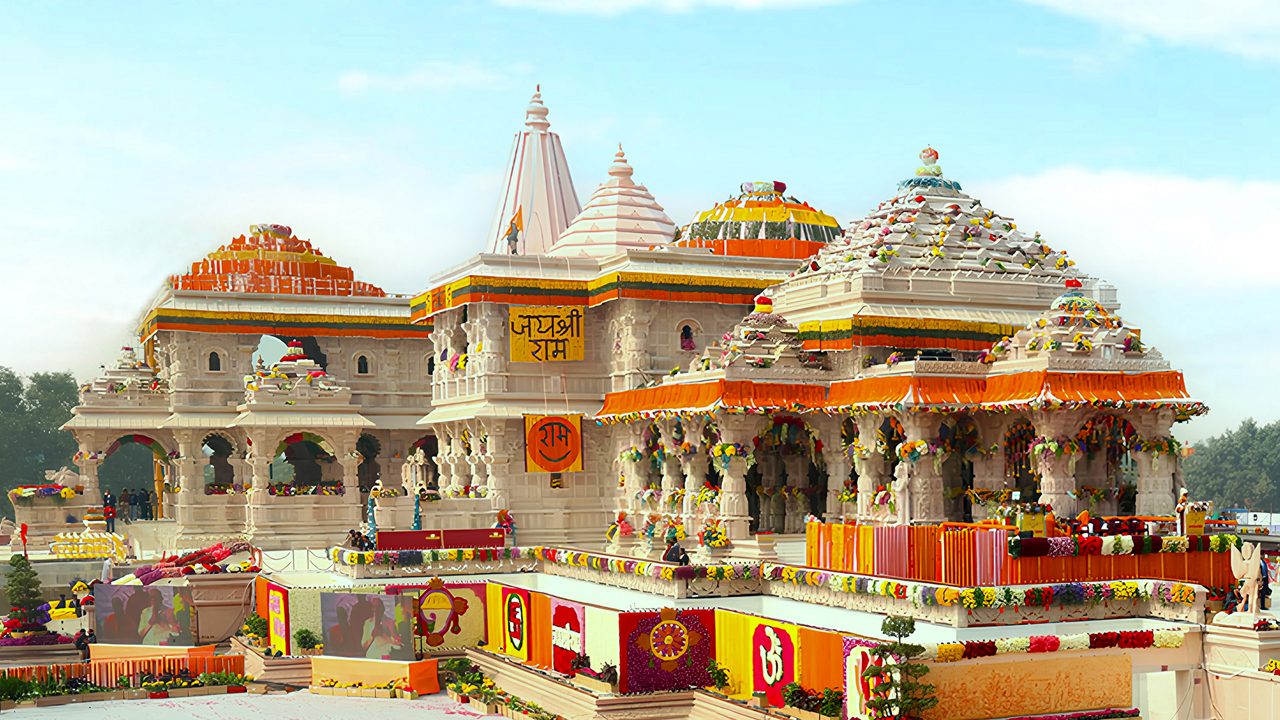
By JKV Travel
Ayodhya, Uttar Pradesh, is not just a destination - it is a sacred emotion deeply rooted in India’s spiritual and cultural soul. Known as Ayodhya Dham, this ancient city holds immense significance as the birthplace of Lord Ram and stands as one of the most revered pilgrimage destinations in Ayodhya, India. From the grand Ayodhya Ram Mandir to serene ghats along the Sarayu River, Ayodhya offers a soul-stirring journey that blends devotion, history, and timeless faith.
Today, Ayodhya has beautifully evolved into a modern spiritual hub while preserving its ancient traditions, making it a must-visit destination for pilgrims and spiritual travelers alike.
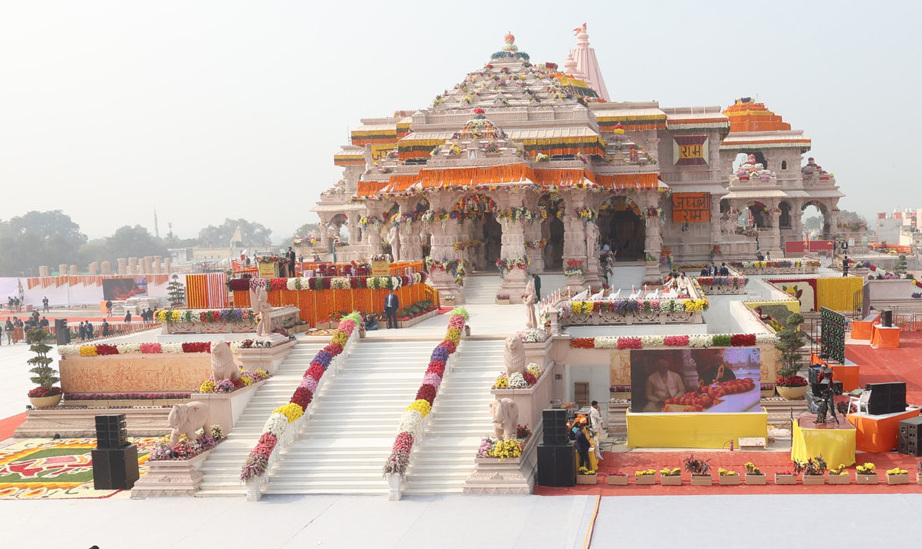
The majestic Ayodhya Ram Mandir is the spiritual heartbeat of the city and one of the most important religious landmarks in India. Built with intricate craftsmanship and divine symbolism, the temple marks the sacred spot believed to be the birthplace of Lord Ram.
As you step into the temple complex, the atmosphere instantly fills with devotion. The rhythmic chants, the fragrance of incense, and the sight of devotees from across the world create an unforgettable spiritual experience. Visiting the Ayodhya temple is not merely about darshan - it is about connecting with centuries of faith, sacrifice, and belief.
Whether you arrive early morning or during evening aarti, the temple radiates peace and divine energy that stays with you long after you leave.
The ghats of Ayodhya are deeply woven into the city’s spiritual fabric. Located along the holy Sarayu River, these ghats have been witnessing prayers, rituals, and meditative silence for thousands of years.
Ram Ki Paidi, the most prominent ghat, is especially mesmerizing during sunrise and sunset. Devotees gather here to take a holy dip, believing it cleanses the soul and washes away past sins. The sight of lamps floating on the river during evening aarti creates a divine atmosphere that feels almost otherworldly.
Other ghats like Naya Ghat and Guptar Ghat also hold immense religious importance, offering moments of calm reflection away from the crowds.
Beyond the Ram Mandir, Ayodhya Dham is home to several sacred temples that reflect the city’s deep spiritual heritage. Each temple tells its own story, connected to the Ramayana and ancient Hindu scriptures.
Hanuman Garhi is one of the most visited temples in Ayodhya, believed to protect the city. Dedicated to Lord Hanuman, the temple requires devotees to climb steps, symbolizing humility before devotion. Kanak Bhawan, known for its beautiful idols of Lord Ram and Goddess Sita, is admired for its peaceful ambience and spiritual elegance.
These temples together form a powerful spiritual circuit that makes Ayodhya a complete pilgrimage experience.
Understanding Ayodhya weather helps plan a comfortable and fulfilling journey. The best time to visit Ayodhya is between October and March, when the climate is pleasant and ideal for temple visits, ghats exploration, and evening aartis.
Summers can be hot, while monsoon brings a refreshing charm to the ghats and temples. Festivals like Ram Navami and Diwali transform Ayodhya into a grand spiritual celebration, attracting pilgrims from across the country.
Reaching Ayodhya has become more convenient than ever.
Ayodhya Junction is well-connected by trains from major Indian cities, making rail travel a popular choice for pilgrims.
The newly developed Ayodhya Airport (Maharishi Valmiki International Airport) has improved air connectivity, allowing travelers to reach the city quickly and comfortably.
Road connectivity from nearby cities like Lucknow and Prayagraj is smooth and scenic.
With enhanced infrastructure, traveling to Ayodhya India is now seamless for devotees and tourists alike.
Ayodhya is famous as the birthplace of Lord Ram and one of the most sacred cities in Ayodhya, India. The city is home to the grand Ayodhya Ram Mandir, ancient temples, and holy ghats along the Sarayu River, making it a major spiritual and pilgrimage destination.
The best time to visit Ayodhya is between October and March, when Ayodhya weather remains pleasant for temple visits and sightseeing. This period is ideal for exploring the Ram Mandir, ghats, and other sacred places comfortably.
Ayodhya is well connected by rail, road, and air. Ayodhya Junction connects the city to major Indian destinations, while the Ayodhya Airport (Maharishi Valmiki International Airport) offers convenient air travel. Road connectivity from Lucknow and Prayagraj is also smooth.
Apart from the Ayodhya Ram Mandir, visitors should explore Hanuman Garhi, Kanak Bhawan, Dashrath Mahal, and Nageshwarnath Temple. These Ayodhya temples hold deep religious and historical significance linked to the Ramayana.
A 1 to 2-day trip is sufficient to explore the main spiritual attractions of Ayodhya, including the Ram Mandir, major temples, ghats, and nearby sacred sites, allowing visitors to experience the city at a relaxed pace.
A journey to Ayodhya is not about ticking places off a list - it is about inner transformation. The spiritual energy of the city, the echoes of Ramayana, and the simplicity of life along the ghats create a deeply personal experience.
Walking through the streets of Ayodhya, listening to temple bells, and witnessing unwavering faith offers a sense of peace that modern life often lacks. It is a destination that touches the heart and stays in memory forever.
From the grandeur of the Ayodhya Ram Mandir to the calming flow of the Sarayu River, Ayodhya offers a spiritual journey unlike any other. Whether you seek devotion, history, or inner peace, Ayodhya Dham welcomes every traveler with open arms and divine grace.
If you are planning a soulful pilgrimage or a meaningful cultural journey, Ayodhya, Uttar Pradesh, deserves a special place on your travel list.
Also Read:
Why Khajuraho Temples, Madhya Pradesh Are a Must-Visit in Your India Trip
If you’re fascinated by India’s spiritual heritage and ancient architecture, Khajuraho offers a timeless journey through beautifully carved temples, rich history, and cultural brilliance that perfectly complements your spiritual exploration of Ayodhya.