






By JKV Travel
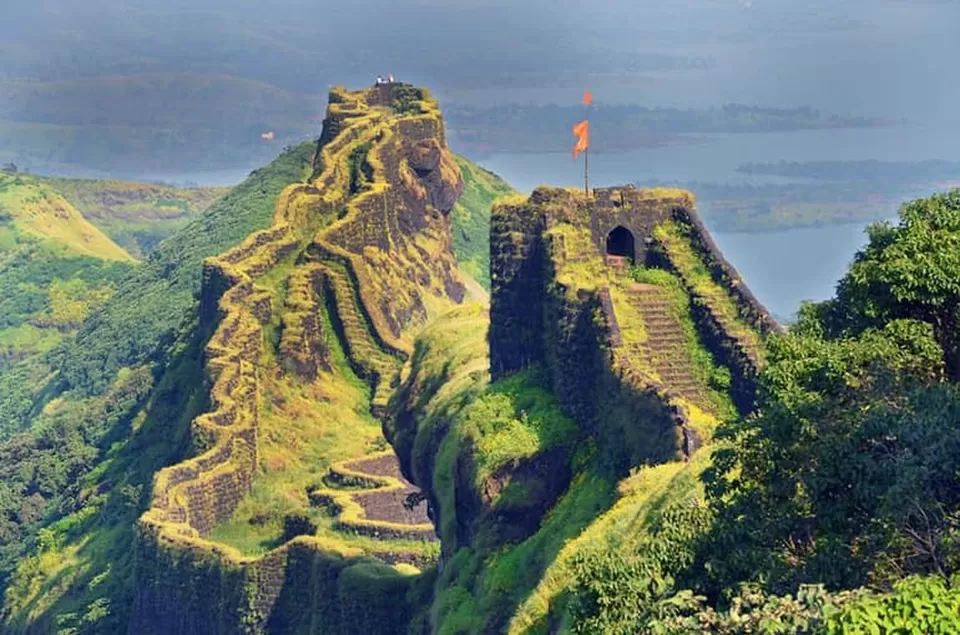
Perched majestically among the rugged folds of the Sahyadri Mountains, Rajgad Fort is not merely a trekker’s paradise - it is a living monument to the valor, wisdom, and indomitable spirit of Chhatrapati Shivaji Maharaj. Every trail leading up this fort echoes the footsteps of brave Maratha warriors who once stood here, defending the Swarajya with unmatched courage. To climb Rajgad is not just to conquer a peak; it is to walk through the pages of India’s glorious history.
Standing tall at an altitude of 4,250 feet, Rajgad Fort Pune once known as Murumbdev was the first capital of the Maratha Empire under Chhatrapati Shivaji Maharaj. The fort’s name, meaning “The King of Forts,” perfectly represents its grandeur and strategic brilliance.
It was from here that Shivaji Maharaj planned and executed many victorious campaigns, including the conquest of Torna and the defense of Swarajya. The fort remained the capital for nearly 25 years, symbolizing a golden era in Maratha history.

For modern adventurers, the Rajgad Fort trek is among the most rewarding experiences in Maharashtra. The trek begins from Gunjavane village, around 60 km from Pune, and offers a medium to moderately difficult trail perfect for beginners and seasoned trekkers alike.
As you ascend, the route unfolds a mix of rocky patches, lush green meadows, and panoramic viewpoints that overlook the mighty Sahyadri range. The higher you climb, the stronger you feel the pulse of history.
During monsoon, the fort becomes a mystical world wrapped in clouds, waterfalls, and mist. In winter, the skies clear up, revealing sweeping views of Torna, Lingana, and Raigad Forts, once part of the great Maratha defense line.
Each step on this trek whispers stories of bravery of soldiers who guarded the Swarajya, of nights when Shivaji Maharaj strategized his empire, and of the courage that built a nation.
Padmavati Machi serves as the main base for trekkers and the center of the fort’s life. Here you’ll find Padmavati Temple, where Shivaji Maharaj once resided and planned his campaigns. The Machi offers several natural water cisterns, stone rooms, and bastions that reflect the architectural genius of the Marathas.
Camping here under a star-studded sky is an experience beyond words. As the wind hums through the ancient stones and the flicker of your campfire dances on the fort walls, you can almost hear the echoes of Maratha warriors preparing for battle.
The night sky from Padmavati Machi is surreal the lights of Pune shimmer in the distance, and silence reigns except for the whispers of the past.
The highest point of the fort, Bale Killa, stands as a symbol of unwavering courage. Climbing up this section is both challenging and exhilarating, offering a 360° view of the Sahyadris. From here, one can spot Torna Fort, Sinhagad, and Raigad - a view that once helped Shivaji Maharaj plan his empire’s defense.
Standing atop Bale Killa, you understand why Rajgad Fort was chosen as the capital. It’s not just a place - it’s a fortress of freedom, echoing the bravery and leadership of a king who dared to dream of independence when the concept itself was rare.
There are treks that challenge your body, and there are treks that inspire your soul Rajgad Fort trek does both. Here’s why it’s a must-visit:
Historical Significance: Once the capital of the Maratha Empire under Shivaji Maharaj.
Architectural Marvel: Unique Machis like Padmavati, Sanjivani, and Suvela.
Natural Beauty: Offers stunning Sahyadri panoramas and diverse flora.
Cultural Heritage: Reflects Maratha valor and spiritual strength.
Accessibility: Well-connected to Pune and ideal for weekend adventures.
Every curve of the fort, every rock and rampart, stands as a testament to the bravery of those who fought for Swarajya. Trekking here isn’t just an adventure - it’s a tribute.
Monsoon (June – September): Ideal for lush greenery, waterfalls, and misty ambiance.
Winter (October – February): Clear skies, excellent visibility, and perfect camping weather.
Summer (March – May): Trek early morning to avoid heat.
Each season gives Rajgad a different charm but no matter when you visit, the fort always inspires.
Carry ample water, snacks, and first-aid.
Wear trekking shoes with strong grip.
Keep a rain jacket during monsoon.
Respect the fort avoid littering and vandalizing walls.
Start early morning for a sunrise experience from Bale Killa.
Every fort in Maharashtra tells a story, but Rajgad Fort tells a legend. It is not only the architectural brilliance that fascinates trekkers but the emotional connection that ties them to Shivaji Maharaj’s spirit.
To stand on the fort’s summit is to feel the pride of being part of a land that gave birth to heroes. The whispering winds, the echo of drums, and the silent stones remind you of one thing bravery never fades with time.
FAQ's About Rajgad Fort Trek | JKV Travel
Q1. Do I need permission to trek Rajgad Fort?
A: No special permission is required from the forest department to undertake the Rajgad Fort trek. You can trek on your own via any of the main routes.
Q2. How long does the Rajgad Fort trek take & how difficult is it?
A: The time and difficulty depend on the route. From the Gunjavane base village it typically takes about 3–4 hours to reach the summit, and from Pali village the climb is somewhat easier and faster. Difficulty is rated as easy to moderate for beginner-friendly but also enjoyable for experienced trekkers.
Q3. Can we stay overnight / camp on Rajgad Fort?
A: Yes - overnight camping or staying on the fort is possible. Near the Padmavati Machi there are water cisterns and spots where trekkers camp. The temple on the fort can accommodate a limited number of people.
Q4. Is the Rajgad Fort trek safe for solo travellers / women trekkers?
A: Yes, the trek is considered safe for solo travellers and for women, especially on well-maintained main routes during daylight hours. That said, always follow trekking safety norms: inform someone of your plan, avoid late-night starts, carry sufficient supplies, and be cautious in monsoon when trails are slippery.
Q5. Why is Rajgad Fort historically significant?
A: Rajgad Fort was the first capital of the Maratha Empire under Chhatrapati Shivaji Maharaj for nearly 25 years before the capital was moved to Raigad. It served as a major strategic stronghold, planning site, and residence, and its architecture spans across multiple Machis (Padmavati, Sanjivani, Suvela) with massive fortifications.
The Rajgad Fort Trek is not merely a journey of adventure it’s a pilgrimage to the heart of Maharashtra’s heritage. The panoramic views, the historical aura, and the undying inspiration of Shivaji Maharaj make it one of the best treks in the Sahyadris.
So, pack your bags, lace up your trekking shoes, and set out to conquer the King of Forts. When you stand atop Rajgad, surrounded by clouds and echoes of history, you’ll realize - it’s not just a fort you’ve climbed, but a legacy of courage.
Also Read:
Explore Shivneri Fort: A Must-Visit Historical Gem in Maharashtra
Step back in time and uncover the birthplace of Chhatrapati Shivaji Maharaj!- a destination where history, architecture, and breathtaking views come together to tell tales of Maratha glory.
Pratapgad Fort: Unveiling the Historic Hill Fortress Near Mahabaleshwar
Discover the majestic fort that echoes the bravery of Shivaji Maharaj! - where every stone whispers stories of valor, pride, and the golden era of the Marathas.