





By JKV Travel
Deep in the Himalayan foothills of Uttarakhand lies a forest that whispers ancient stories, moves at nature’s rhythm, and invites you to explore something wild and pure. Jim Corbett National Park, Uttarakhand is more than just a tourist spot. It is India’s first national park and a living sanctuary of biodiversity, peace, and untamed beauty. Every traveler who steps inside this jungle comes away with a sense of awe. Whether it’s the roar of a tiger echoing through tall grass, the call of rare birds at dawn, or the calm flow of the Kosi river at sunset, Corbett creates memories that stay with you long after your trip ends.
Jim Corbett National Park is situated in the Nainital district of Uttarakhand, covering an enormous space of dense sal forests, river valleys, marshlands, and wide-open grasslands known as chaur. The landscape here is constantly changing; one moment you are passing through thick green silence and the next you are crossing shallow riverbeds filled with shining pebbles. Corbett was established in 1936 and named after Jim Corbett, a hunter-turned-conservationist who dedicated his life to protecting wildlife. Today, this park plays a vital role in Project Tiger, making it one of the most important tiger conservation areas in India. Corbett is also known for its healthy population of elephants, deer, leopards, and over 600 species of birds that fill the forest with sound, movement, and color.
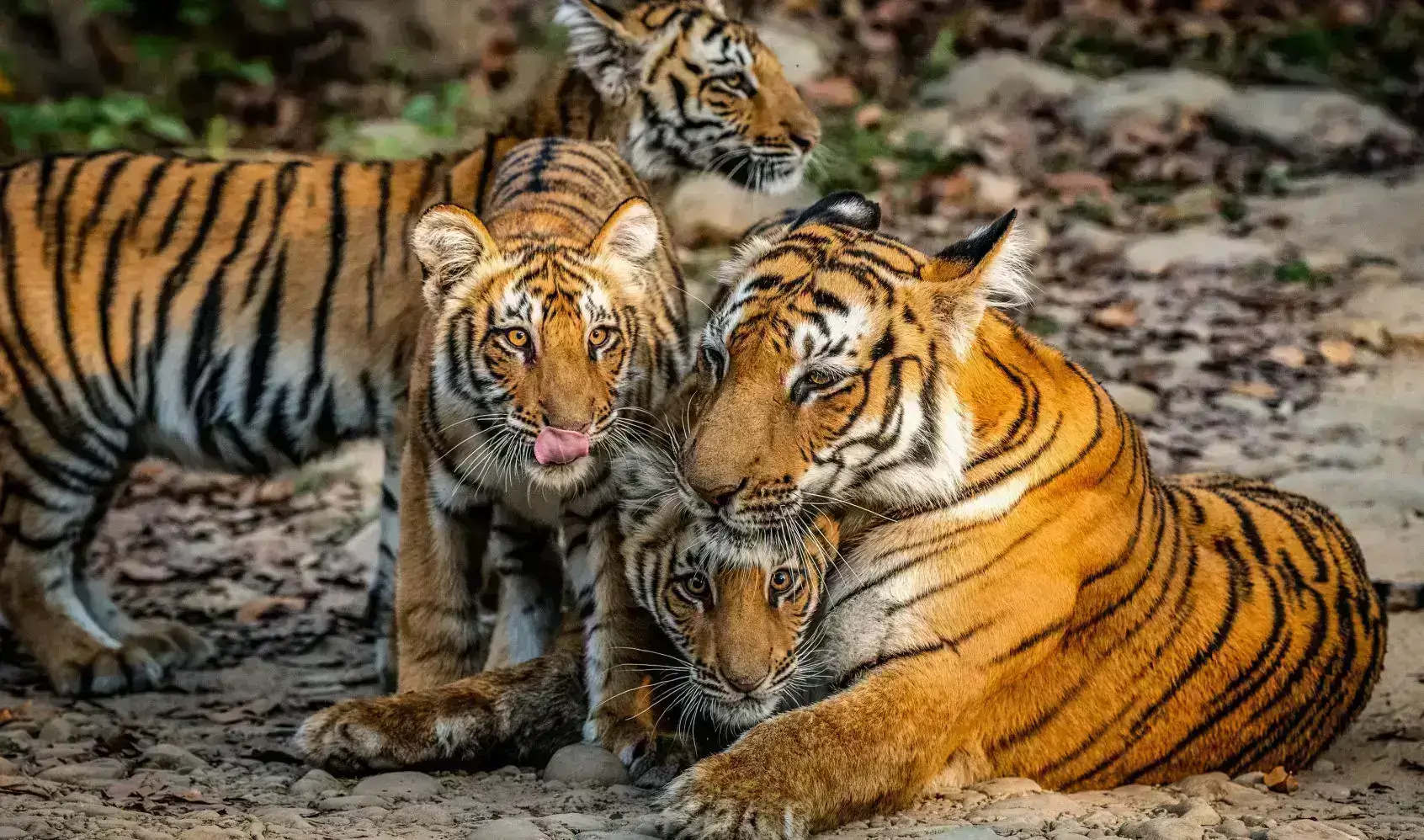
A Jim Corbett National Park safari is not just an activity; it is a journey into the untouched heart of nature. The forest reveals itself slowly you drive through forest tracks while the morning mist floats above the ground, the air smells of earth and wood, and every bend feels like a secret doorway. Most visitors choose an open jeep safari because it gives close access to wildlife movement, tiger trails, waterholes, and natural viewpoints. Safaris are conducted in different forest zones, each with its own personality. Dhikala is known for its wide meadows and highest chances of spotting tigers roaming freely. Bijrani has beautiful forest cover and is ideal for early morning safari drives. Jhirna and Dhela are more peaceful, perfect for exploring the forest without heavy tourist traffic. If you are lucky, you may see elephants crossing the road or deer feeding quietly under shade, while watchful eyes hidden in tall grass remind you that a tiger may be closer than you think.
Booking a safari in advance is important because entries are limited to maintain ecological balance. Official permissions ensure safety, proper guiding, and ethical wildlife viewing. A good safari guide can enhance your experience by recognizing fresh pugmarks, listening to alarm calls, and understanding animal movement, turning your journey into a real adventure.
Understanding Jim Corbett National Park temperature helps you plan the perfect trip:
Temperature: 5°C–18°C
Best time for tiger spotting & comfortable safaris
Cool mornings and misty forest views
Temperature: 25°C–40°C
Grasslands dry up = highest wildlife visibility
Perfect for photographers
Certain safari zones close due to rain
Greenest, most peaceful season
Birdwatching paradise
Best overall months: December to April
The real charm of Jim Corbett National Park lies in its wildlife diversity. Tigers are the symbol of the park, but every corner holds life. Herds of spotted deer wander freely, langurs perch on branches watching jeeps pass by, and elephants move silently in large family groups. Leopards stay elusive, often seen in hilly forest areas. Bird lovers can spend hours listening to the forest chorus kingfishers near riverbanks, woodpeckers drilling tree trunks, hornbills in thick forest cover, and owls resting in silence during the day. Crocodiles and gharials bask along the riverbanks, making the river ecosystem equally fascinating. The mix of terrains rocky paths, grass fields, wetlands, and dense jungle makes Corbett a paradise for wildlife photography.
Choosing the right stay can transform your Corbett experience. Forest Rest Houses like Dhikala, Gairal, and Sultan provide accommodation inside the core region of the park, creating a true jungle feel. Nights here are unforgettable nature becomes the background music, with distant animal calls, rustling leaves, and soft river flows. Outside the park, numerous riverside resorts offer comfort, luxury, and stunning views. Many resorts provide private sit-outs, bonfires, nature walks, and spa services after safari rides.
The nearest town is Ramnagar, which acts as the main entry point.
Delhi to Jim Corbett: 250 km / 5–6 hours
Nainital to Jim Corbett: 65 km / 2 hours
Ramnagar has direct trains from Delhi and Haridwar
Nearest airport: Pantnagar Airport
FAQ's About Jim Corbett National Park, Uttarakhand – By JKV Travel
Jim Corbett National Park is situated in the Nainital district of Uttarakhand, near the town of Ramnagar. It lies in the foothills of the Himalayas and is easily accessible by road and rail from major cities like Delhi, Haridwar, and Dehradun. This prime location makes Corbett one of the best wildlife destinations in North India.
The best time to visit Jim Corbett National Park Uttarakhand is between November and April, when the forest temperatures are pleasant and wildlife sightings are higher. Winter mornings are misty, while summer offers better chances of spotting tigers near water bodies. Some safari zones may be closed during monsoon for safety and conservation reasons.
Visitors can book a Jim Corbett National Park safari online through government-approved portals, licensed travel agencies, or directly at Corbett offices in Ramnagar. Advance booking is recommended, especially for popular safari zones like Dhikala, Bijrani, and Jhirna. Always carry valid ID proof during entry.
The park is famous for its Royal Bengal Tigers, but visitors can also spot elephants, leopards, deer, wild boars, sloth bears, crocodiles, and more than 600 species of birds. Every safari zone offers a unique habitat, making Corbett one of the most wildlife-rich nature reserves in India.
Visiting Jim Corbett National Park is not just a vacation; it is an emotional connection with nature. The first time you drive into forest gates, you instantly feel a shift as if the modern world pauses and a different world begins. The river Kosi flowing beside jungle roads, sunrise through tall trees, herds of deer running across open meadows, and the sudden glimpse of a tiger staring from the bushes these moments stay in your mind forever. Whether you come for adventure, peace, nature, or photography, Corbett rewards you with something real, simple, and unforgettable.
Also Read
1) If unique ecosystems fascinate you, don’t miss our blog “Exploring Odisha’s Wildlife Wonders: From Bhitarkanika to Simlipal.” From dense mangroves and riverine habitats to rare wildlife sightings, Odisha offers an entirely different jungle experience that every nature lover should explore.
2) For more tiger-tracking excitement, check out our “Tadoba-Andhari: India’s Top Tiger Destination – Your Complete Safari & Booking Guide.” This helpful guide covers safari timings, best zones, booking tips, and everything you need to plan a thrilling tiger safari in Maharashtra.