






By JKV Travel
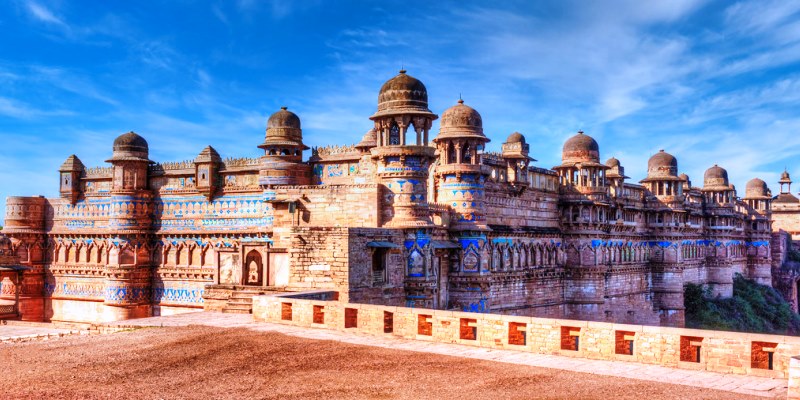
Standing tall on the rugged Gopachal Hill, the Gwalior Fort is one of India’s most awe-inspiring hill forts a place where history, architecture, culture, and legends come alive with every step you take. Whether viewed from the bustling city below or explored from its expansive courtyards, the fort radiates a timeless charm that makes it a must-visit destination in Gwalior Fort Gwalior Madhya Pradesh. Known for its royal palaces, towering temples, ancient rock sculptures, and breathtaking views, this fort is a journey through centuries of valor and heritage.
Visiting Gwalior Fort feels like stepping into a time machine. As you walk through its grand gateways, vast courtyards, and interconnected palaces, you begin to realize why it has been called the “Gibraltar of India.” The fort doesn’t just stand on a hill; it dominates the landscape with an authority that reflects its strategic importance throughout Indian history.
Beyond its might, the fort offers something for every traveler photographers will love the panoramic city views, history enthusiasts will appreciate its intricate detailing, spiritual seekers will find solace in the centuries-old temples, and families will enjoy the sheer diversity of experiences inside the fort complex.
The Gwalior Fort history is a rich tapestry woven with tales of legendary rulers, miraculous origins, and architectural brilliance.
According to ancient lore, the area was once ruled by King Suraj Sen, who suffered from a severe illness. When he met the hermit-saint Gwalipa, he was cured through a holy drink. Out of gratitude, he built a fortified citadel on the hill and named it “Gwalior.”
Historical evidence suggests that parts of the fort date back to the 3rd or 4th century. The fort later became an important stronghold for several dynasties from the Kachanagas and Huns to the Nagas and Gurjar-Pratiharas.
The most remarkable era of Gwalior Fort emerged under the Tomar dynasty, especially during the reign of Maharaja Man Singh Tomar (1486–1516). He transformed the fort into a masterpiece by constructing grand palaces, temples, and artistic structures. His creation, the Man Singh Palace, stands as one of the finest examples of medieval Indian architecture.
After the Tomars, the fort changed hands several times from the Mughals to the Scindias, Marathas, and the British.
Under British rule, the fort remained a key military site. After independence, it became one of India’s most well-maintained heritage complexes, attracting travelers from across the globe.
Today, the Gwalior Fort Gwalior Madhya Pradesh stands as a symbol of India’s layered history one that has evolved through centuries of triumphs and transformations.
1. Man Singh Palace – A Royal Masterpiece
The Man Singh Palace, also called the “Chit Mandir” or Painted Palace, is arguably the most magnificent structure inside the fort. Built by Maharaja Man Singh Tomar for his queen, this palace showcases stunning glazed blue and yellow tile work, depicting peacocks, tigers, elephants, and geometric designs.
Inside, the palace is a maze of chambers, connecting staircases, secret passages, and dual-level courtyards designed to maintain a cool temperature even during harsh summers. The underground chambers were used by the royal family for private gatherings.
Contrary to the popular belief, these temples are not dedicated to a “mother-in-law and daughter-in-law.” The name actually refers to Sahastrabahu (the thousand-armed form of Lord Vishnu). These twin temples one large, one small stand side by side and feature intricate craftsmanship. Their doorways, ceilings, and pillars are covered with sculptures depicting gods, goddesses, floral motifs, and mythological scenes. These temples are a paradise for lovers of ancient Indian architecture.
The Teli Ka Mandir is unlike any other temple inside the fort. It combines Dravidian-style gopuram architecture with North Indian Nagara-style details, making it an interesting fusion rarely seen in Indian temple design.
Standing 100 feet tall, this 8th-century shrine has towering walls and impressive doorway carvings. It was originally dedicated to Lord Vishnu but later associated with Lord Shiva.
As you walk along the fort’s steep pathway, you’ll notice gigantic rock-cut sculptures carved directly into the hill. These Jain sculptures represent the 24 Tirthankaras and date back to the 7th–15th centuries. The tallest among them, the statue of Lord Adinath, stands nearly 60 feet tall.
The Gujari Mahal was built by Man Singh Tomar for Queen Mrignayani a brave and exceptional woman who demanded equal treatment and a separate palace with constant water supply. Today, the palace houses a fascinating museum displaying sculptures, ancient coins, royal artefacts, weapons, and stone idols dating back to the 1st century.
As the sun sets and the fort glows under the night lights, the Sound & Light Show takes you through centuries of Gwalior’s past in a captivating presentation of music, narration, and illumination. It’s a great way to end your day and understand the emotional significance behind the fort’s grandeur.
6:00 AM to 5:30 PM (Daily)
For photographers and explorers, the early morning slot is ideal. For families, late afternoon is more comfortable.
Indians: ₹50
Foreign Tourists: ₹250
Light & Sound Show: Extra charges apply
Museum Tickets: Separate fees for Gujari Mahal
Prices may vary seasonally, so it’s best to check latest updates before visiting.
Gwalior Fort FAQs – Your Complete Visitor Guide by JKV Travel
Gwalior Fort is famous for its stunning hilltop architecture, magnificent royal palaces, ancient temples, and panoramic views over the city. It is also known as the “Gibraltar of India” due to its massive sandstone fortifications. The Man Singh Palace, Sas-Bahu Temples, Jain rock sculptures, and Teli Ka Mandir make the fort one of the most iconic attractions in Gwalior Madhya Pradesh tourism.
The Gwalior Fort timings are 6:00 AM to 5:30 PM, open on all days of the week.
The best time to visit Gwalior Fort is between October and March, when the weather is pleasant for sightseeing. Early morning is ideal for photography and exploring the fort peacefully, while late afternoons offer cooler temperatures and sunset views.
Gwalior Fort is easily accessible from anywhere in the city. You can reach it by taxi, auto-rickshaw, or e-rickshaw. For adventure lovers, there is also a scenic uphill walking route through the Jain rock sculptures. The fort is located around 3–4 km from Gwalior Railway Station and roughly 10 km from Gwalior Airport, making it convenient for all travelers.
A complete Gwalior Fort tour usually takes 2 to 3 hours, but history lovers may need more time to explore the palaces, temples, museums, and viewpoints in detail. Since the fort complex is large, comfortable walking shoes and water are recommended for a smooth visit.
Wear comfortable shoes expect long walks
Carry water and snacks (limited options inside)
Hire a guide for detailed storytelling
Keep 2–3 hours minimum for the full tour
For senior citizens, prefer the motorable route
Avoid mid-day heat and plan your visit wisely
Respect temple rules and photography restrictions
The Gwalior Fort Gwalior Madhya Pradesh is not just another historical site - it is a living heritage structure that connects you to India’s powerful past. Its blend of breathtaking architecture, spiritual energy, royal legacies, ancient carvings, and panoramic views make it one of the most extraordinary places to explore in India.
Also Read
If you’re fascinated by majestic hill forts and stories of valor, you will love exploring Pratapgad Fort, a towering sentinel in the Sahyadris. This historic fortress, closely associated with Chhatrapati Shivaji Maharaj, offers breathtaking views, ancient pathways, and a rich heritage that transports you back in time.
For adventure lovers and fort enthusiasts, Rajgad Fort is an unforgettable experience. Known as the “King of Forts,” Rajgad rewards trekkers with thrilling ascents, sprawling structures, and sweeping views of the Western Ghats.